
The Anti-Fragile Portfolio: Designing for Chaos
Financial Sovereignty | 16 Min Read | Advanced Framework
Element: The Barbell Strategy
 |
The 3-Bucket System provides the foundation for a sovereign retirement. But a foundation alone does not make a structure anti-fragile. To design a portfolio that doesn't just survive chaos but thrives within it, we must layer in a principle that challenges conventional investing wisdom: the Barbell Strategy.
Most investors build their portfolios in the middle. They seek the “efficient frontier”—that mathematically perfect blend of stocks and bonds promising optimal returns for a given level of risk. The 60/40 portfolio is the classic example.
It feels prudent.
It feels balanced.
It is also dangerously fragile.
The Barbell Strategy rejects the middle entirely. Instead, it loads up on two extremes: extreme safety and extreme risk, with nothing in between. This is not diversification for its own sake. This is structural design that turns volatility from a threat into fuel.
Fragile Middle vs. Anti-Fragile Barbell
| Fragile Middle | Anti-Fragile Barbell |
|---|---|
| Seeks optimal mix | Seeks robustness |
| Moderate risk / moderate return | Extreme safety + extreme upside |
| Vulnerable to black swans | Positioned for asymmetry |
| Requires forecasting | Requires discipline |
The System: Building Your Barbell
One side (90%) — Extreme Safety
Short-term treasuries, TIPS, I-bonds, high-quality short-duration government debt, and possibly physical gold (no counterparty risk).
This capital’s job is preservation. It survives every storm.
Other side (10%) — Extreme Asymmetric Risk
Venture exposure, early-stage startups, speculative technologies, long-dated options.
This capital’s job is convexity. One 10x outcome can materially alter your life.
The middle—corporate bonds, balanced funds, moderate-growth equities—is intentionally minimized.
Optionality Over Optimization
Optimization asks: What will happen next?
Optionality asks: How do I benefit if I’m wrong?
You don’t need to predict which startup wins. You need exposure to enough asymmetry that one success matters.
This mirrors The Portfolio Career: Thriving Without a Single Employer — multiple income streams reduce fragility.
It also aligns with The Energy Economy: Optimizing Your Personal Resources — eliminating constant forecasting preserves cognitive bandwidth.
Element: Crisis-Proof Asset Allocation
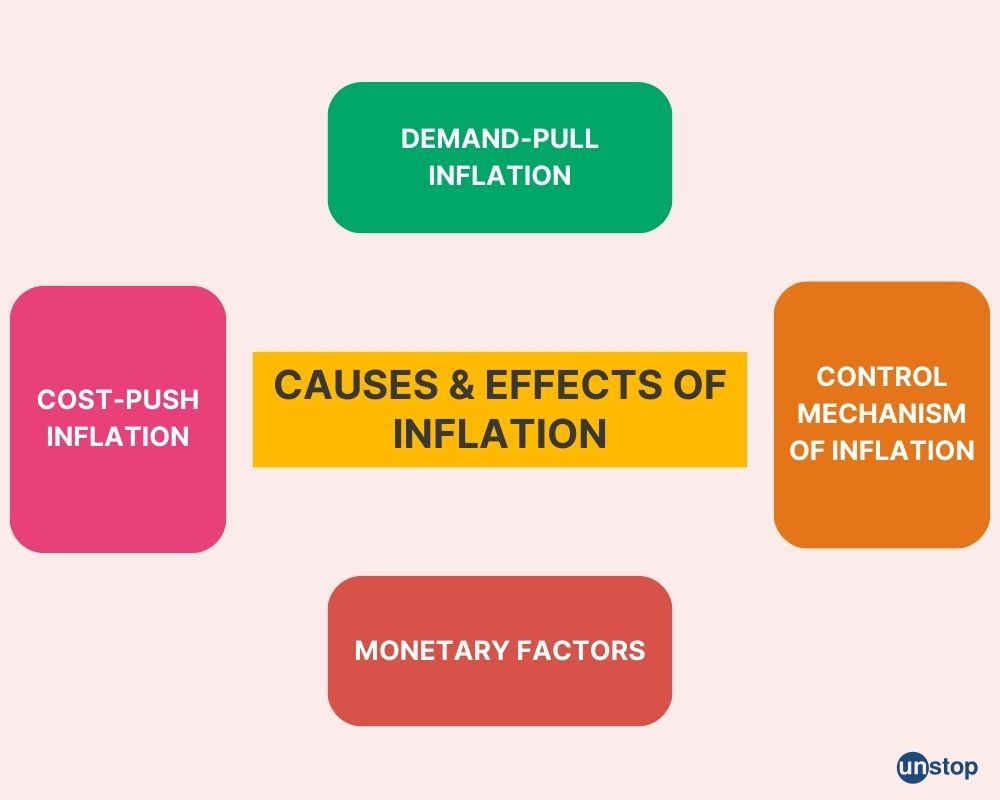 |
The Barbell is philosophy. Crisis-proof allocation is execution.
The Four Horsemen of Portfolio Destruction
- Inflation Shock
- Deflationary Collapse
- Stagflation
- Currency Crisis
A sovereign allocation prepares for all four.
The Four Pillars (Condensed View)
| Pillar | Allocation | Purpose |
|---|---|---|
| Liquidity | 10–20% | Optionality |
| Capital Preservation | 30–40% | Stability |
| Real Assets | 20–30% | Inflation hedge |
| Growth | 20–30% | Compounding |
Notice what’s absent: high-yield debt, long-duration corporate bonds, complexity.
In crises, correlations converge. True diversifiers have fundamentally different drivers.
Stress-Testing Your Plan
Run scenarios including:
- 1973–74 bear market
- 2000–02 tech collapse
- 2008 financial crisis
- 2020 COVID crash
- 2021–23 inflation surge
Model hypotheticals:
- 7% inflation for 5 years
- 50% equity drawdown
- Dollar depreciation
Then reframe:
- Will I be forced to sell?
- Do I have dry powder?
This discipline parallels Dollar-Cost Averaging vs. Lump Sum — strategy only works if psychology holds.
Emotional drift is covered in The Quiet Quitting of Your Portfolio.
Debt fragility is addressed in The Great American Debt Escape.
Element: 5 Portfolios That Survived Crashes
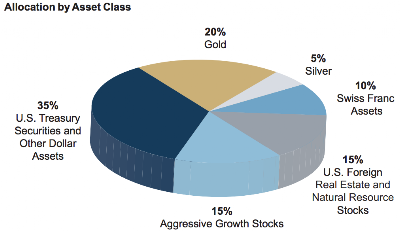 |
1. Permanent Portfolio
Designed by Harry Browne
25% Stocks
25% Long-Term Treasuries
25% Gold
25% Cash
Lost ~5% in 2008 while broader markets collapsed.
2. All-Weather Portfolio
Popularized by Ray Dalio
Balances risk across inflation and growth regimes. Lower volatility than equity-heavy portfolios.
3. Golden Butterfly
Adds small-cap value exposure to Permanent-style balance. Strong long-term returns with shallow drawdowns.
4. Endowment Model
Led by David Swensen at Yale University
Diversifies across equities, real assets, alternatives. Emphasizes illiquidity premium.
5. The Seeker’s Adaptive Portfolio
- Bucket 1: 15–20% Cash
- Bucket 2: 50–60% Barbell
- Bucket 3: 20–30% Legacy Assets
Architecture > prediction.
Patience required mirrors The Delayed Career Path and capability leverage parallels AI and Your Career: Co-pilot or Replacement?.
Element: Volatility as Fuel
 |
Volatility is not risk.
Volatility is fuel.
Without volatility, no risk premium exists.
Reframe Table (Compact)
| Fragile View | Anti-Fragile View |
|---|---|
| Crash = disaster | Crash = opportunity |
| Avoid volatility | Use volatility |
| Hope steady growth | Hope for mispricing |
Mechanisms
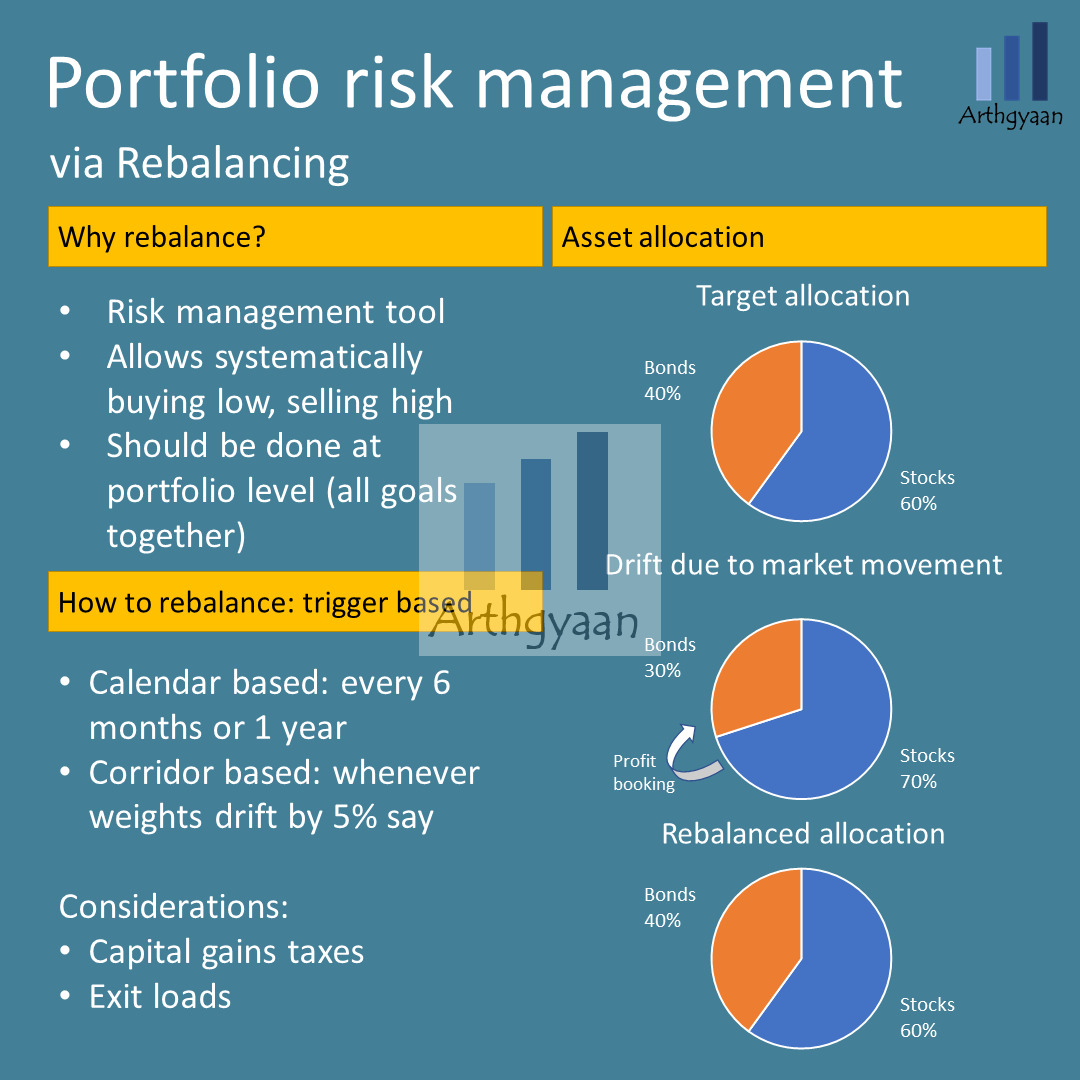
Rebalancing — systematic buy low / sell high.
Asymmetric Bets — convex payoff structures.
Psychological Capital — preparation eliminates panic.
This mirrors The Creator Economy Blueprint — systems capture volatility.
It reflects The Conscious Consumer Blueprint — values over hype.
Conclusion: Building Your Anti-Fragile Architecture
We began with structural foundation.
Added the Barbell.
Engineered crisis resilience.
Studied historical survivors.
Reframed volatility.
The result is preparation, not prediction.
You are ready for:
- Inflation (real assets, TIPS)
- Deflation (treasuries)
- Lost decades (cash cushion)
- Speculative upside (asymmetry)
- The unknown (structure)
Your First Stone (1 Hour Exercise)
- Measure your real cash cushion.
- Identify fragile middle assets.
- Model a 50% drawdown reaction.
- Assess asymmetric exposure.
Your Sovereignty Toolkit
Financial design supports life design:
About This Exploration
This framework synthesizes ideas influenced by:
- Nassim Nicholas Taleb
- Ray Dalio
- Harry Browne
- Behavioral finance research
- Market history
It is not a forecast.
It is architecture.
A foundation for the next decade | Published March 2026


0 Comments